Abnormal-flight detection
We use dedicated motion sensors to observe aircraft movement and develop detection methods that distinguish normal flight from abnormal descent and falling.
 ALTIVIUM
INDEPENDENT DRONE SAFETY
In development · Field validation
Detecting abnormal flight, warning people on the ground, and recording critical moments.
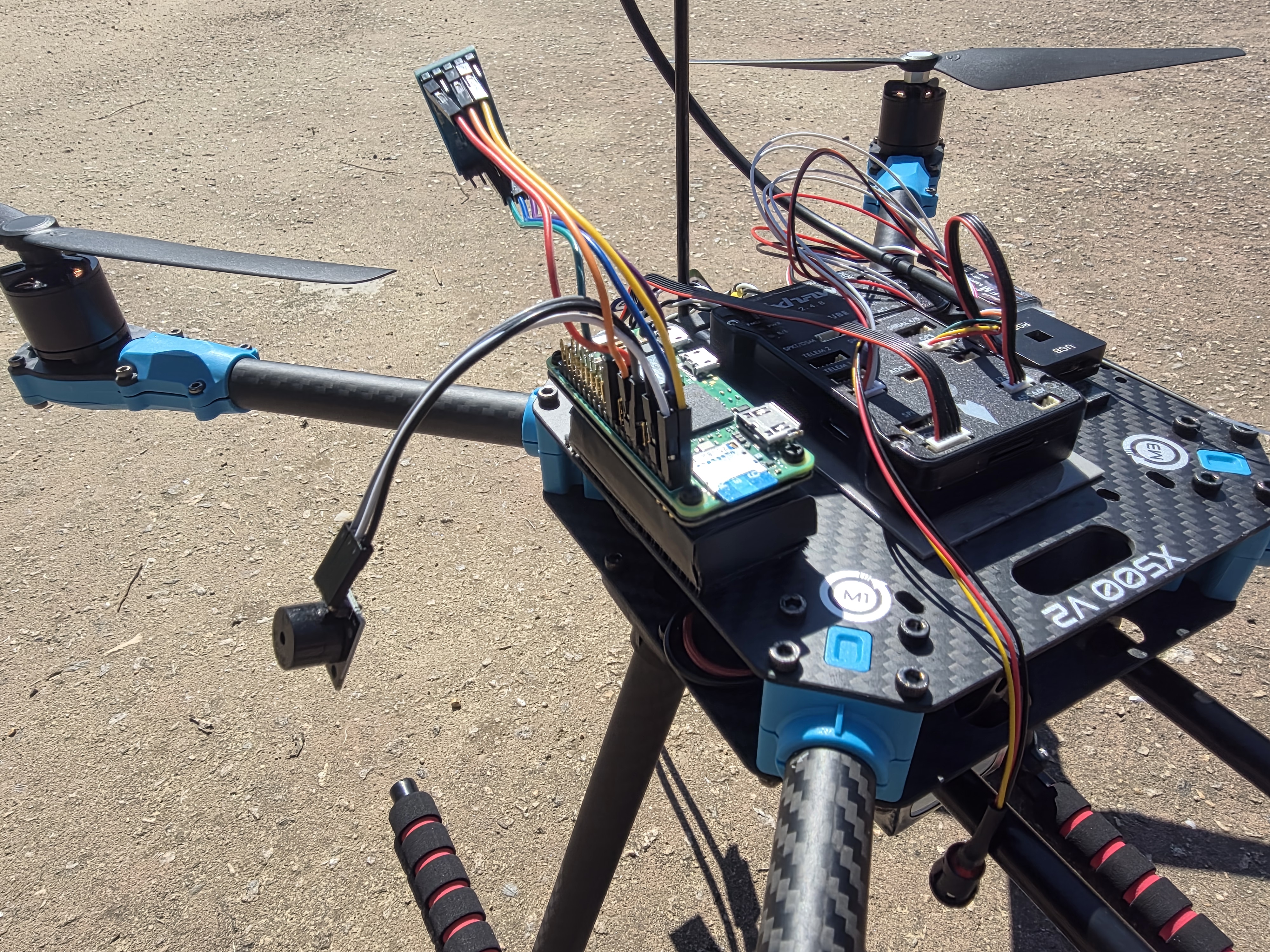
ALTIVIUM develops independent retrofit safety modules for professional and industrial drones.
WHY ALTIVIUM
Drone safety technology largely focuses on controlling and protecting the aircraft.
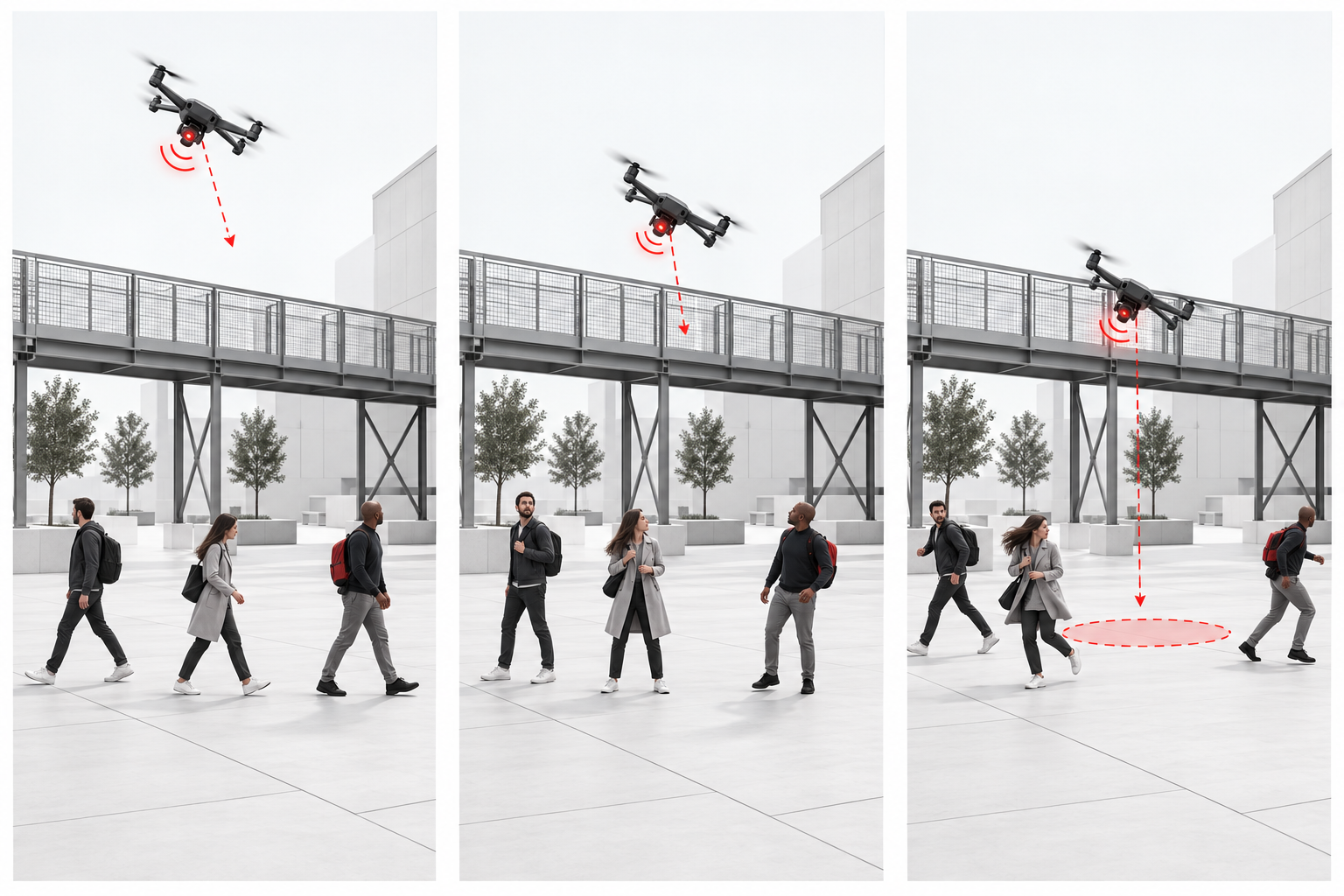
But when a drone loses control and begins falling, the people below also need a way to recognize the situation.
ALTIVIUM is developing safety technology intended to detect abnormal motion and descent, communicate warnings to the ground, and create time to respond before impact.
Our goal is to add an additional safety layer alongside existing drone systems, rather than replace them.
01 / THE TECHNOLOGY
Four core functions in one independent module.
We use dedicated motion sensors to observe aircraft movement and develop detection methods that distinguish normal flight from abnormal descent and falling.
When an abnormal state is detected, sound and light provide an immediate warning.
We are testing how quickly and clearly these warnings can be communicated in real flight environments.
The safety module is designed to operate on power separate from the aircraft’s main supply.
We aim for an architecture that can maintain safety functions when the aircraft experiences a power fault.
We record sensor data and detection events.
These records support test analysis and improvements to detection criteria and algorithms.
ALTIVIUM does not replace parachutes or existing flight-control systems.
We aim to provide an additional independent safety layer that works alongside existing safety systems.
HOW THE WARNING IS INTENDED TO HELP
02 / BUILT & TESTED
We build, mount on real aircraft, and improve through data.
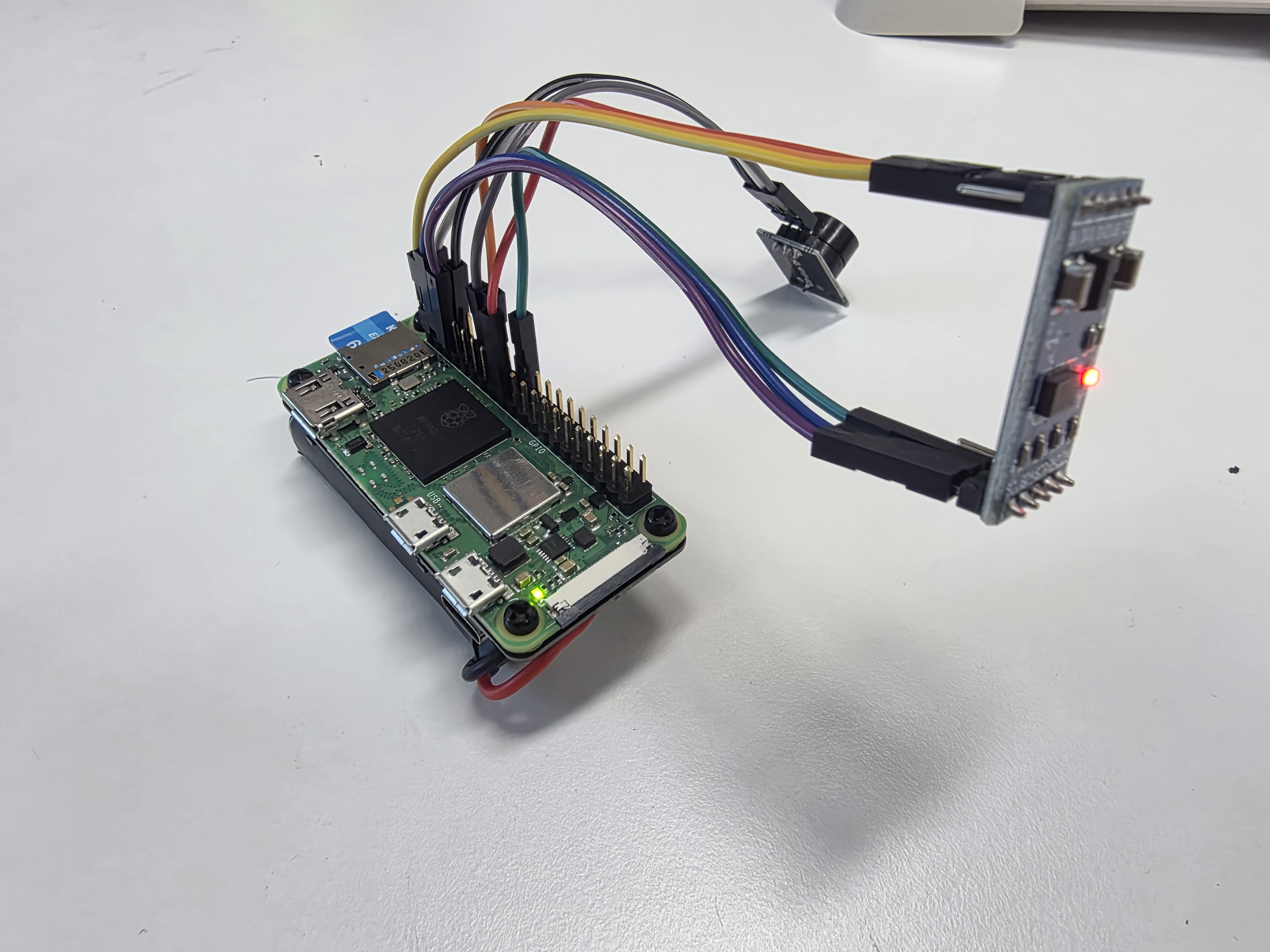
Our early PoC integrated abnormal-state detection, audible and visual warning, independent power, and event logging into one system.
We are conducting controlled drop tests and drone-mounted trials.
We distinguish normal vibration and motion from abnormal states, refining the criteria needed for reliable detection in real conditions.
Building on the current PoC, we are developing the next prototype with compact embedded electronics and independent power.
Longer term, we aim for an architecture that can be repeatedly deployed and validated across different professional and industrial drones.
ALTIVIUM is currently in the prototype and early validation stage.
We are progressively evaluating detection reliability, ground-warning effectiveness, and applicability across airframes in real operating conditions.
03 / OUR STORY
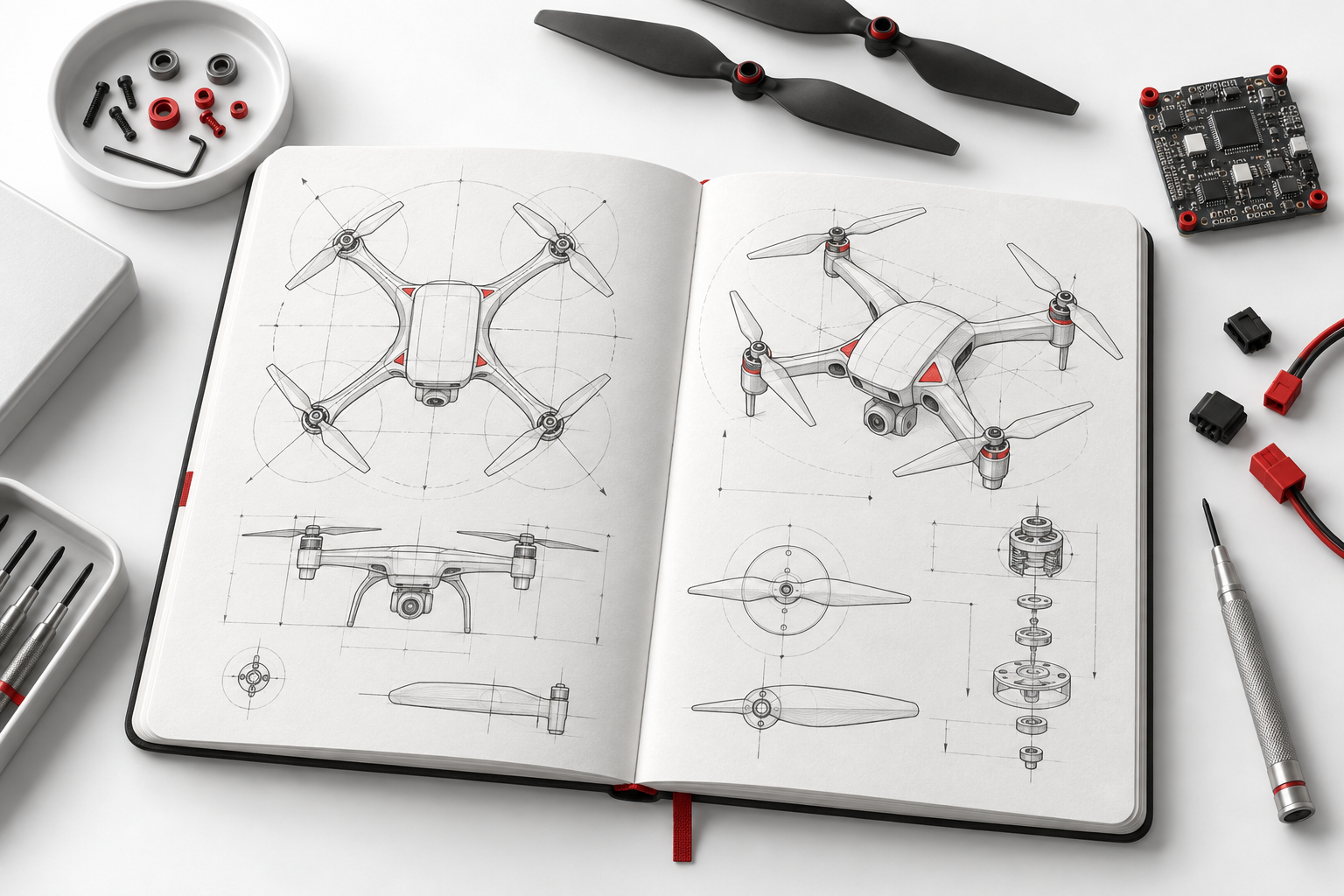
ALTIVIUM began in 2025 through student startup activities at Incheon National University.
“If a drone begins to fall, how can people on the ground be alerted?”
This question was the starting point for ALTIVIUM.
NISA mentoring and customer discovery helped sharpen our product direction. We are validating the technology by mounting our own prototype on real drones.
Today, we focus on developing an independent safety module for professional and industrial drones already operating in the field.
Data from each test informs the next prototype.
04 / OUR JOURNEY
Building and validating, one step at a time.
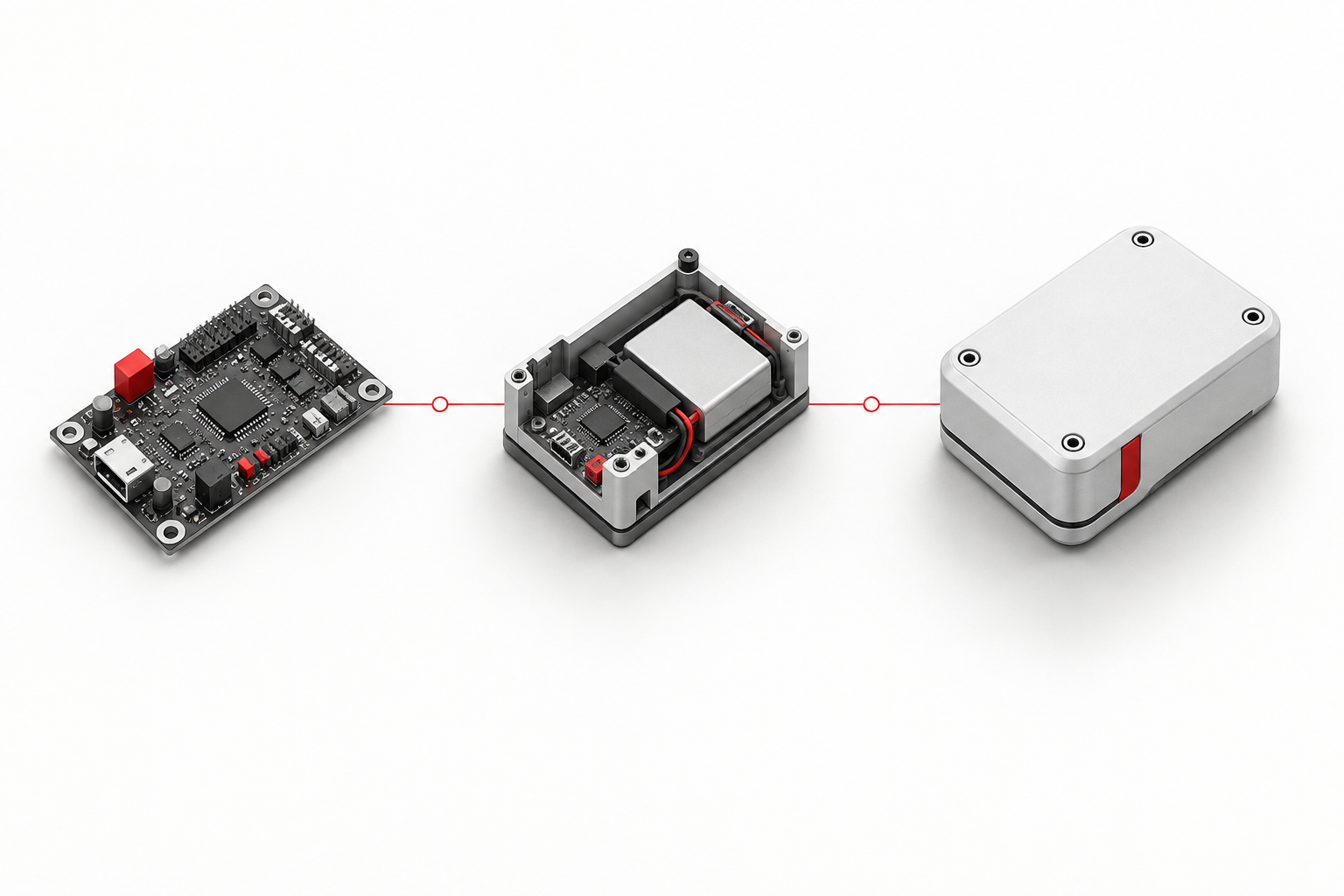
Launched ALTIVIUM through student startup activities at Incheon National University.
Selected for NISA, taking part in mentoring and global customer discovery.
Completed sole-proprietor business registration in South Korea to support commercialization.
Completed NISA Phase 1 and built an initial PoC integrating detection, warning, independent power, and logging.
Collecting data with a drone-mounted prototype while developing the next compact independent module.
ALTIVIUM has applied to startup support programs while reviewing its business potential and technical direction.
05 / OUR TEAM
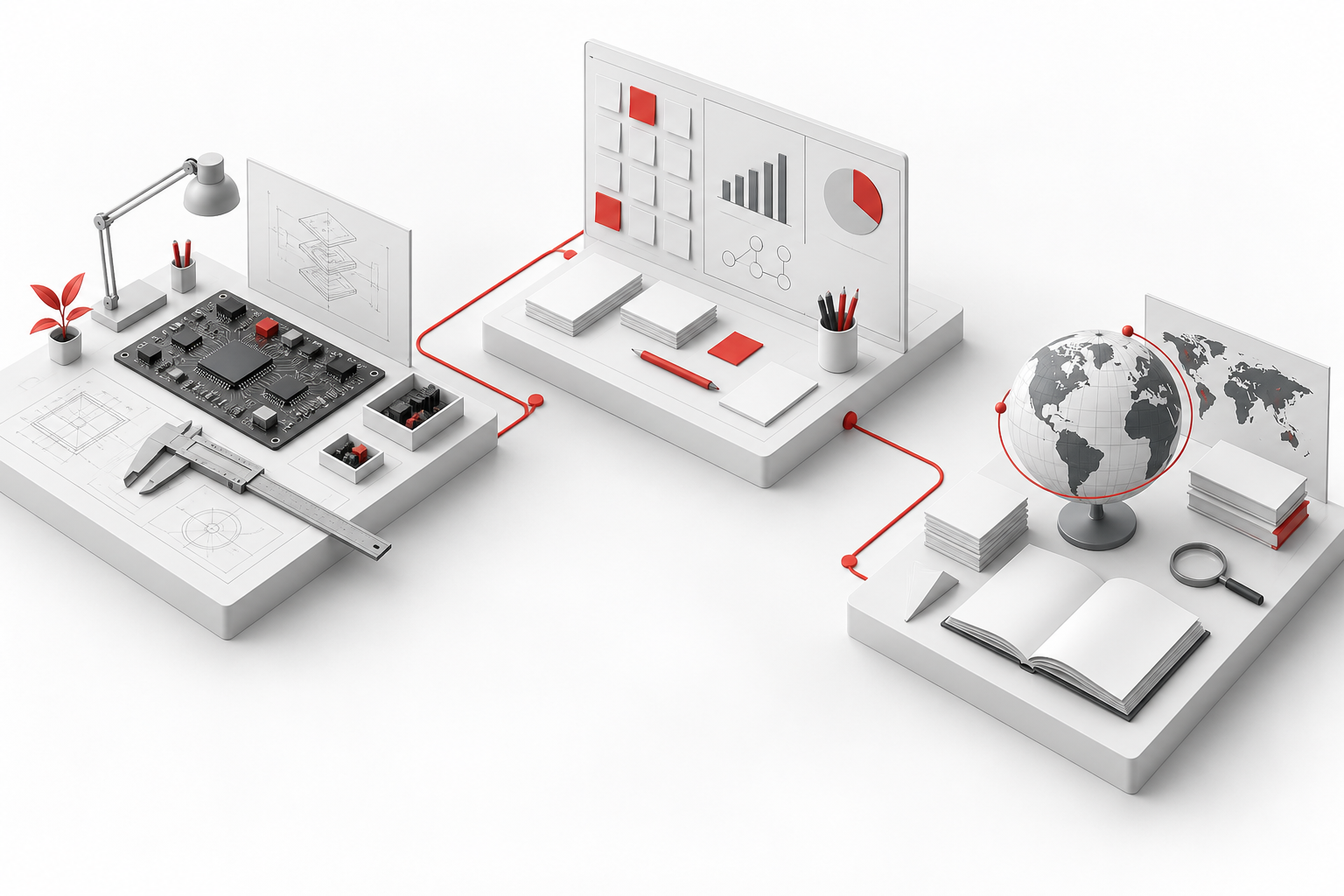
With an electronics engineering background, leads product direction, prototype development, experiment design, and technical validation.
Responsible for market research, business model development, and commercialization strategy.
Responsible for international market research, global communication, and identifying collaboration opportunities.
06 / WHERE WE START
We start by adding safety functionality to professional drones already in operation, rather than building a new aircraft.
We explore retrofit safety needs and practical deployment conditions in inspection, surveying, and facility management.
Early customer validationWe evaluate the potential role of ground warnings and event logging in public missions such as disaster response and facility inspection.
Operational requirementsWe work toward validation environments for repeatable flight testing and data collection with universities, drone academies, and laboratories.
Field validation collaboration07 / TECHNICAL COLLABORATION
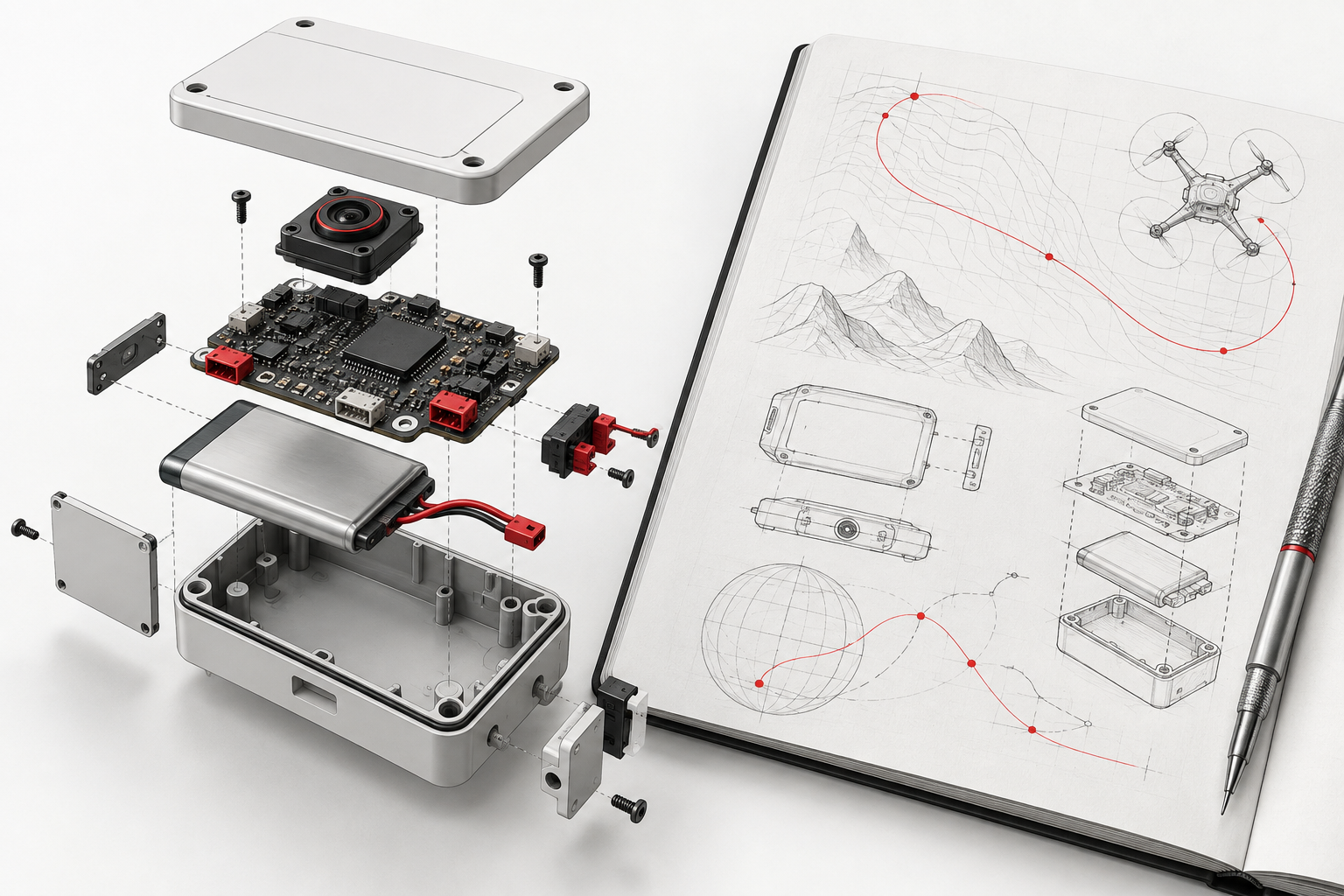
ALTIVIUM welcomes collaboration with researchers, engineers, and drone operators interested in developing and validating an independent drone safety module in real conditions.
Propose technical collaboration ↗Firmware · Sensor integration · Independent power
Motion analysis · Vibration analysis · Detection logic
PCB design · Module integration · Aircraft mounting
Test design · Flight data · Repeatable validation
LET’S TEST WHAT COMES NEXT
We want to hear from professional drone operators, public agencies, and education and research organizations.
Talk to ALTIVIUM about field testing, operating requirements, or technical collaboration.
Field challenges shape the requirements for our next prototype.
Discuss a pilot ↗altivium.corp@gmail.com